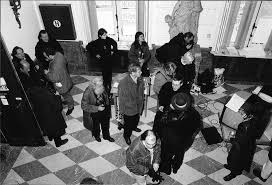
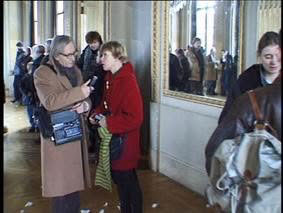
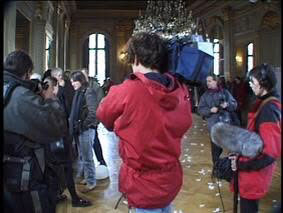
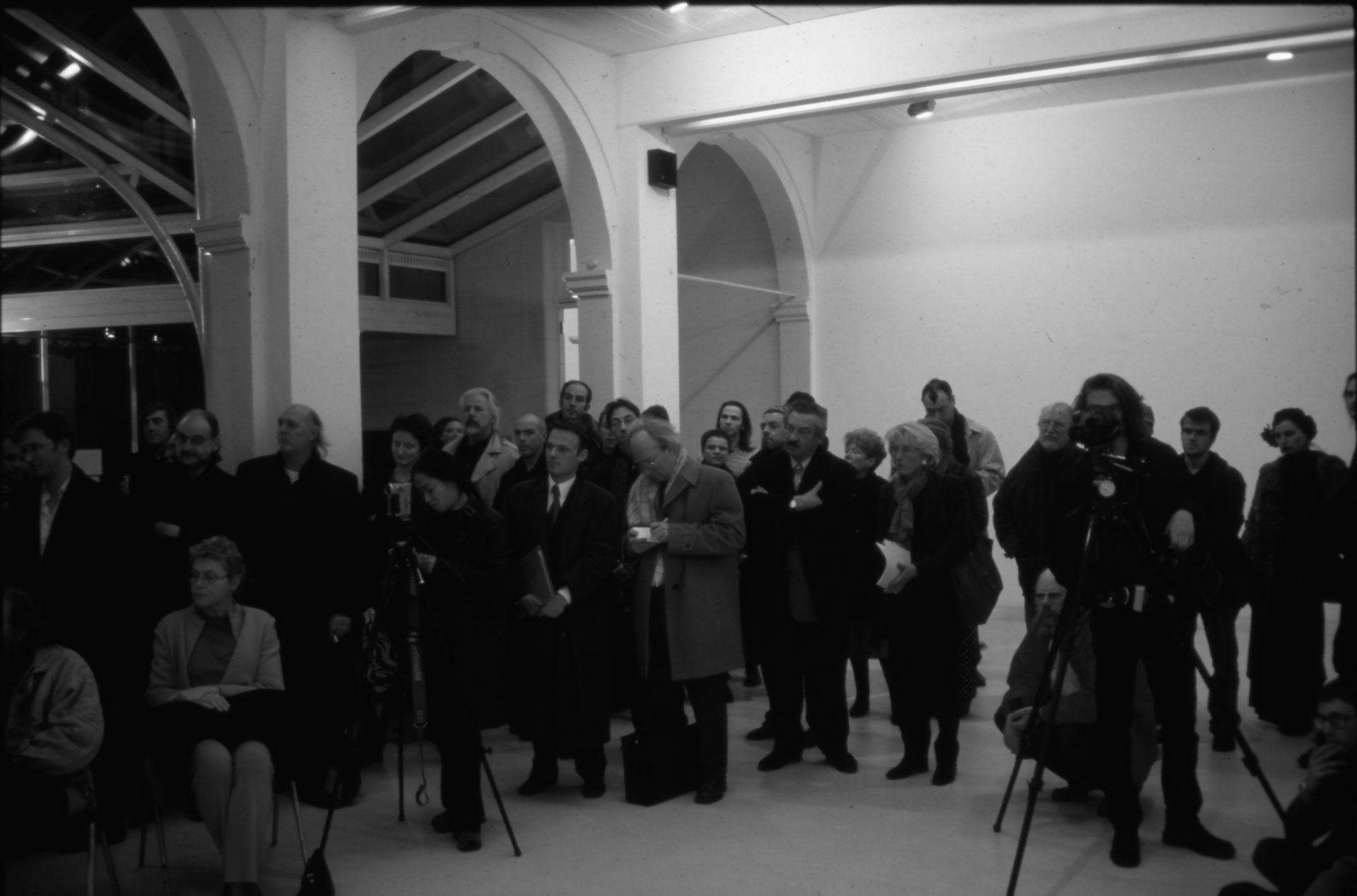
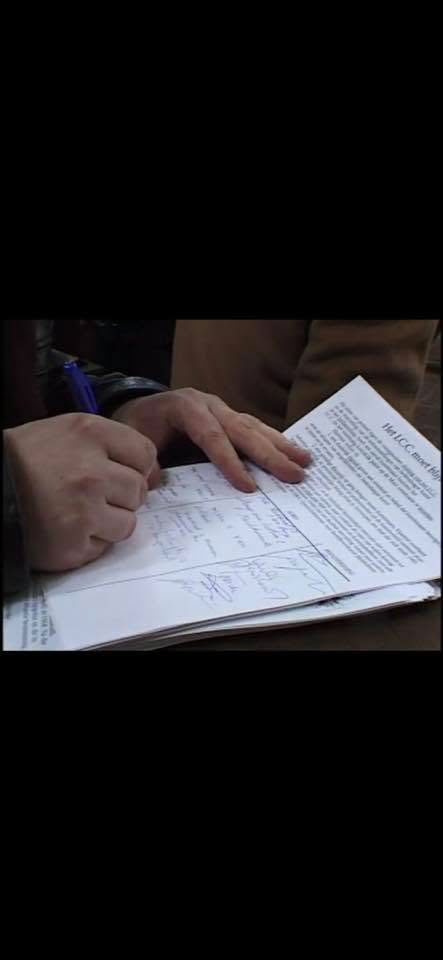
1998 Occupation by the artists Hit&Run collective of the ICC
Organisation: Hit&Run - Cel Crabeels - Christine Clinckx - Karen Celis - Jan Kempenaers - Giles Thomas - Patries Wichers
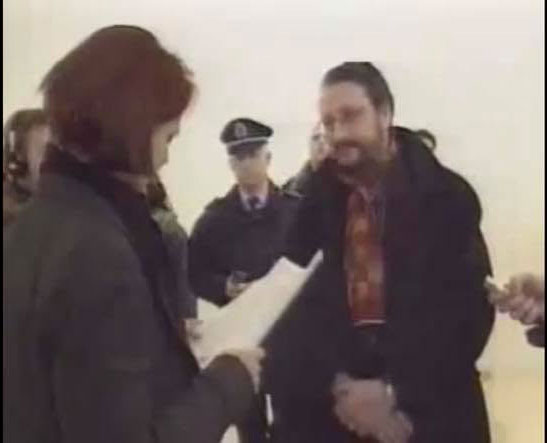
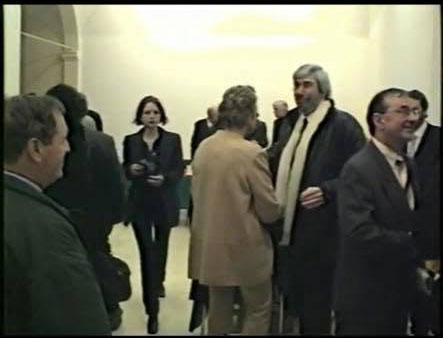
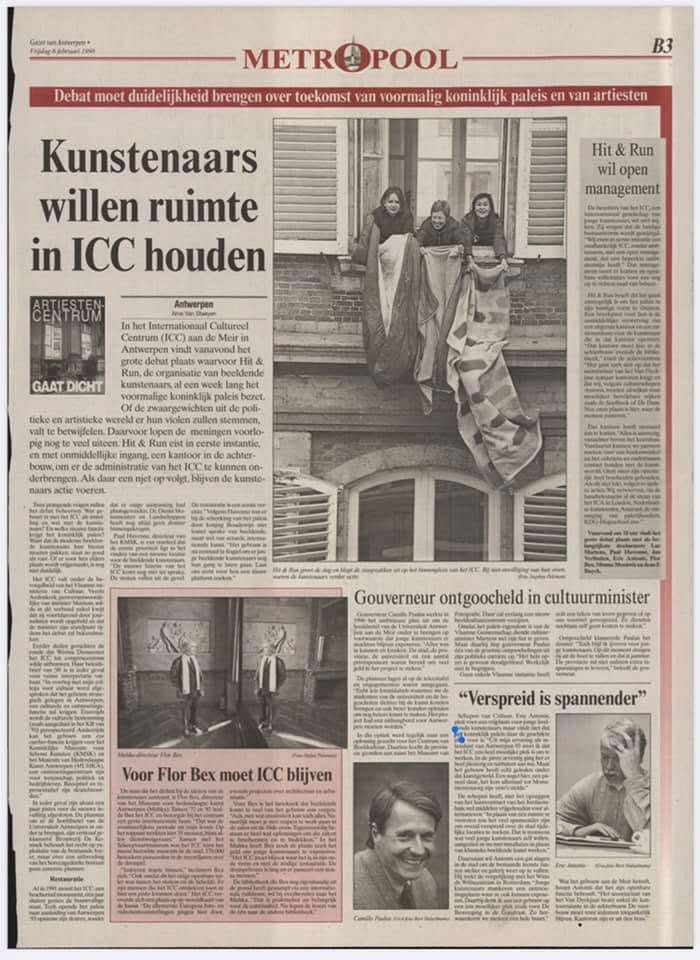
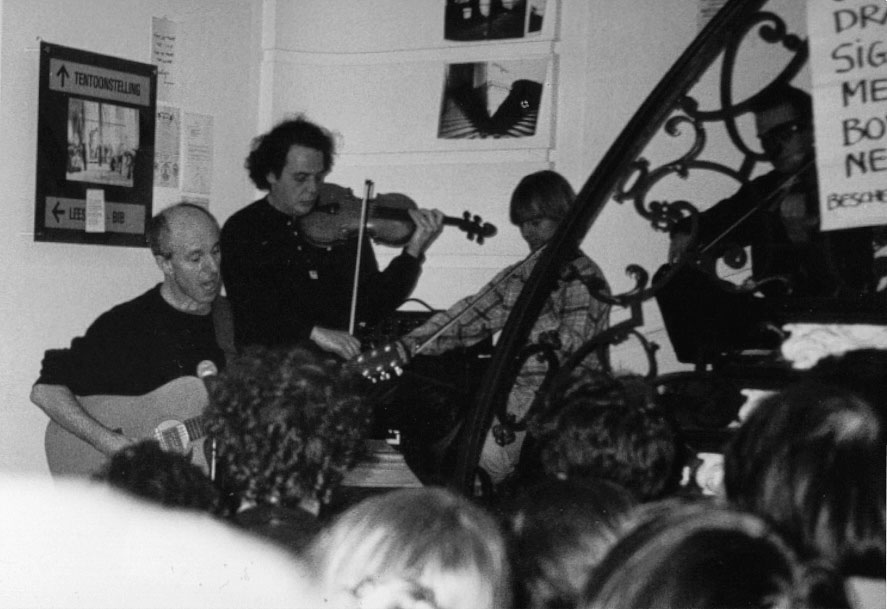
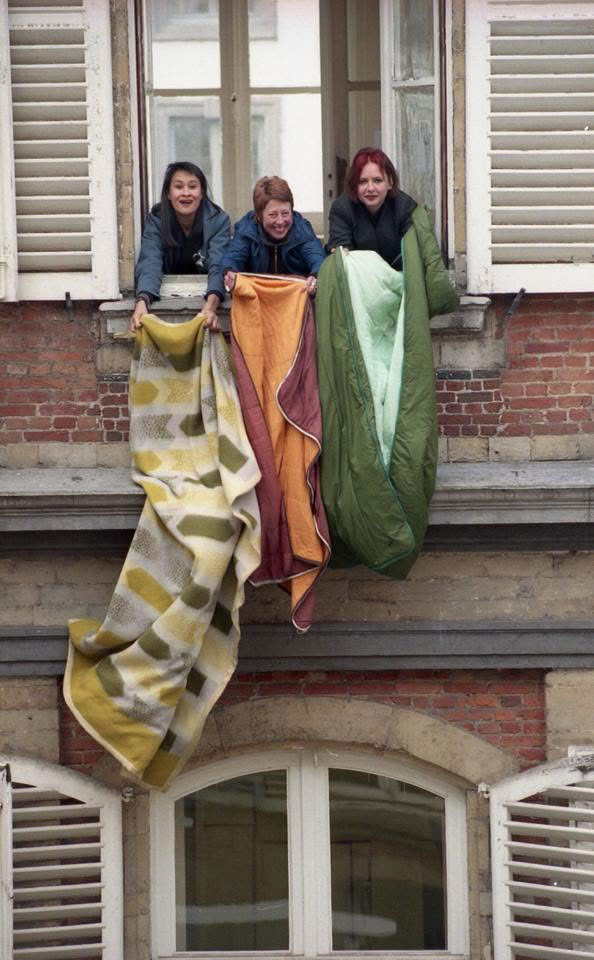
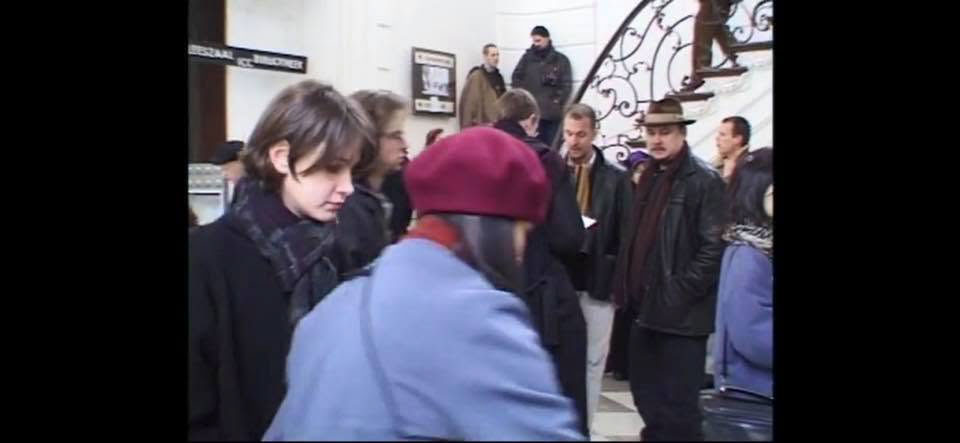
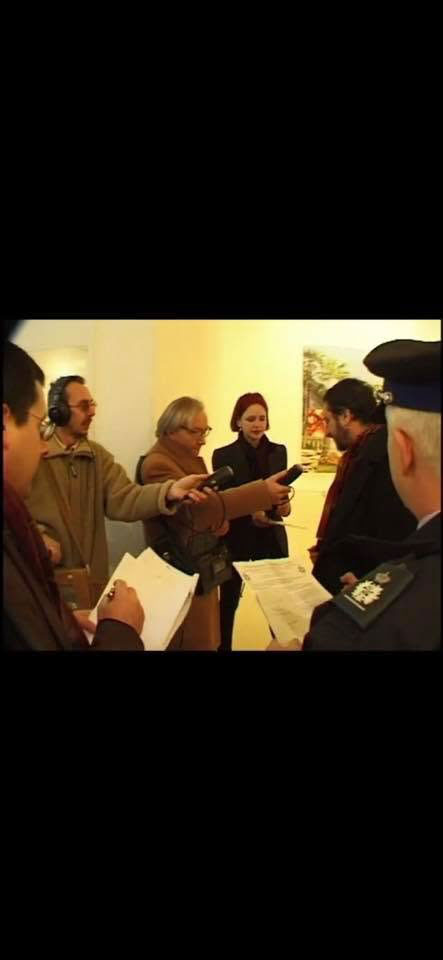
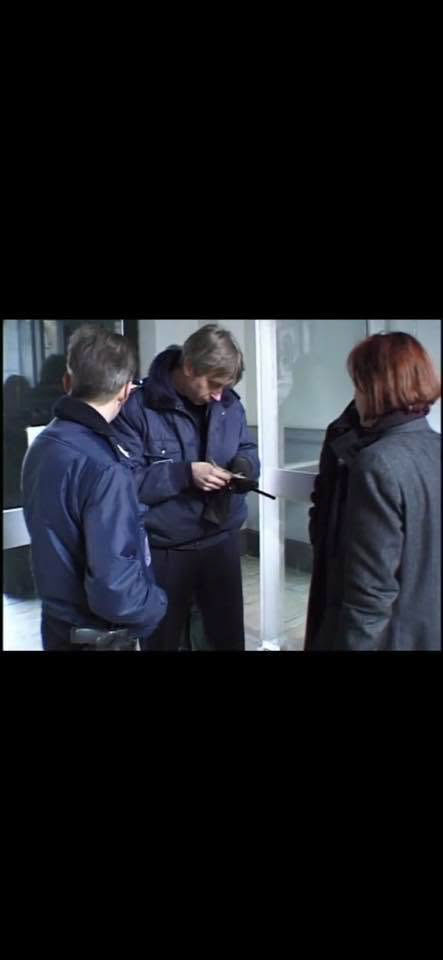
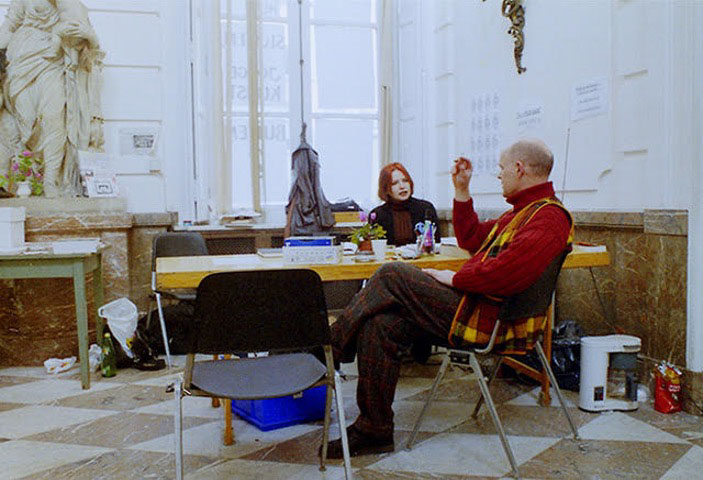
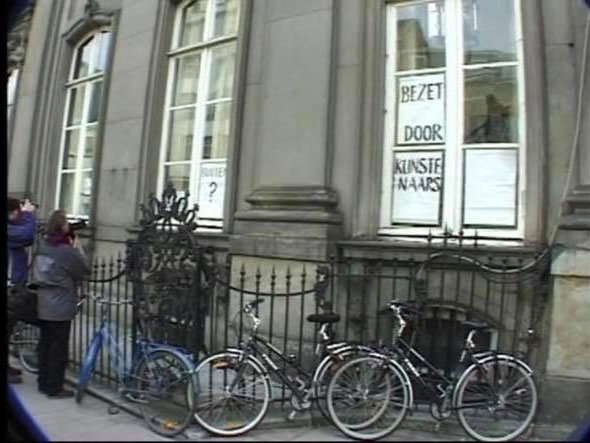
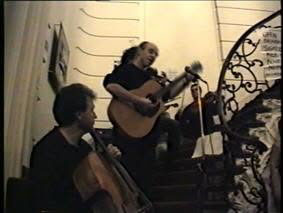
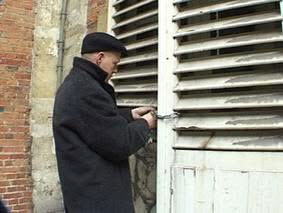
The artist's occupation of the ICC was absolutely necessary because the Flemish government didn't want the Royal Museum of Fine Arts (KMSKA) to continue the contemporary art projects in the ICC. This resulted in the abortion of the ICC. Already the Antwerp city closed down the Jacob Jordaenshuis, which was a space for young artists as well. At that time there was no space for experiment, a place where artists could think, work and show their works. The only exhibition platforms in Antwerp were the Antwerp museum of contemporary art (MuHKA) and the galleries, both rigid and institutionalised places. The gallery space changed a lot over the years. What was in the seventies a place for alternative experimental media was now not any longer. In the seventies the ICC was a real international gathering place for experimental art. Concept art, video art and performance art was always on display. Until Florent Bex, the director, left in 1981, the ICC was a very interesting place for experimental art production and presentation. What we missed in Antwerp at the time of the occupation was a space where you could show your work in a finished or unfinished stage. A non profit international space where you could go and meet other artists, curators, a cross over between art/music/literature/architecture/theatre/performance/… but constructed from within the arts. We wanted not an artist's space but a mental and experimental platform sponsored by the city, province and Flemish government. The money that they used for the structural working of the ICC and the Jacob Jordaenshuis, could now go to a new center a New International Cultural Center , the NICC. Therefore, on the last opening of the ICC I felt the urge to protest. When I asked my best friend Karen if she would liked the idea of an occupation of the ICC, she as always reacted very enthusiastic. Immediately we went to the other artists and Ria Pacquee said that it was a very good idea. In the next weeks we had these secret meetings at the house of Johan Pas with Patries Wichers, Giles Thomas, Cel Crabeels, Karen Celis and Jan Kempenaers about our action and plans. For media we contacted Jef Lambrecht in Factor44 where we had a meeting with him. We decided to call ourselves Hit & Run. Patries even designed a logo. We would force a public debate with the city, government and province about the closing down of the ICC and the Jacob Jordaenshuis and the needs for young artists to present their works. This debate could not stand alone, we needed other forms of arts to connect, like music/literature/performance and of course a bar. For two weeks we would create a setting as a starter for the NewICC. In the library, I found all the information about the occupation of the KMSKA by angry artists in 1968. After this king Boudewijn had given the palace away for cultural practices and it was called ICC. Now, exactly twenty years later, we occupied that same royal palace! The occupation went as follows: We would contact the press by fax and tell them artists where going to occupy an important space in Antwerp. It was kept quite mysterious, because we thought that if the people involved got suspicious, the police would get there before the us and there would be no occupation at all. The press people had to come to the nearby Groenplaats and meet with Karen, she would inform them and take them to the place of the action. Patries, Cel, Karen and myself contacted the artists and they where informed by telephone and of course had to keep this secret. They had to meet at the nearby Wapper place. Giles and Cel created a plan for closing the gates and inner doors and Jan was going to take pictures of the action. I was going to telephone to the minister of Culture Mr. Martens , the major of Antwerp Leona Detiege, the director from the KMSKA Mr. Huvenne, at the moment of entering and locking the building. When we gathered with the artists at the time, the alarm from a nearby boutique was ringing very loadly, and Giles thought I gave the signal for entering the building. Giles went in and tried to close the doors, but the artist where still outside! Karen was trying to reach me with the question if she should move the press people over to the ICC but because the schedule was completely messed up, everything was happening much sooner than planned! The police arrived together with the press, right after the artists had entered. Immediately I had to negociate with the police officers while director Huvenne came in and disappeared in the toilet room. I called Karen and she had the press waiting for him to come out, meanwhile the telephone was red ringing: the minister wanted to know about our plans, if we where going to damage the building and so on. When the press was there we could arrange that we could stay without the police interfering. We had a plan for two weeks with concerts by Zita Swoon, Kris Dane, The Kids, Raymond Van het Groenewoud, Luk Mishalle, and students videotaping (redoing the film 'Do you know the ICC?', by Daniel Dewaele from 1980, life model painting by the Antwerp academy of arts, circus school performing, debates, poetic nights with Didi de Paris and Benno Barnard, performances, theater De Onderneming, De Roovers, video screenings from historical video tapes from the 70's and 80's from Joseph Beuys, Michael Druks, Bill Vazan, Buky Schwartz, Daniel Dewaele, a mime studio performing and so on. The police was told that they couldn't move us out because it was a public space and only after closing time at 5 pm they could arrest us. That gave us some time to negociate with the right hand of the minister Mr. Vermassen. At 5 pm, just in time, we told all the artists who couldn't stay overnight, to leave and come back in the morning. The police was already waiting at the locked door and we asked Mr. Vermassen to call Mr. Huvenne to persuade him. Mr Huvenne was crawling back now and said that we couldn't stay the night. We explained to him that this was not an occupation than. In the end we could stay overnight but as long as there was a public for our events. One of the former employees of the ICC had to stay as well. Lees hier het Interview in De Witte Raaf van Patries Wichers en Christine Clinckx door Koen Brams en Dirk Pültau NICC https://nicc.be/project/the-occupation-of-the-icc/